A room does not always need to be completely remodeled to feel new again. Sometimes the biggest transformation comes from changing one of the features that occupies the most visual space. Cabinets are a perfect example. Whether they are installed in a kitchen, bathroom, laundry area, home office, or storage space, cabinets can influence the color, mood, and overall character of an entire room. When the cabinet boxes and doors are still structurally sound but the finish has become faded, scratched, outdated, or simply no longer suits the space, cabinet refinishing offers a practical way to create a completely different impression without removing everything and starting over. More than a simple coat of paint or stain, professional cabinet refinishing can give existing cabinetry a carefully planned second life.
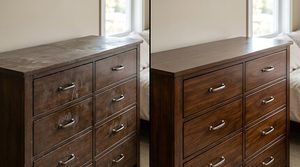
The appeal of cabinet refinishing begins with the opportunity to work with what is already there. Homeowners often assume that an outdated room automatically requires new cabinets, but replacement is not always necessary. Cabinetry can represent a significant portion of a remodeling budget, and removing it may also create unnecessary demolition, disposal, construction, and installation work. If the existing cabinets have a solid structure, functional layout, and suitable design, refinishing can change their appearance while preserving those underlying advantages. This makes cabinet refinishing particularly appealing to homeowners who want a meaningful visual transformation while avoiding the scale and disruption associated with a complete cabinet replacement. Find out more at https://www.impactrefinishing.com/sacramento-cabinet-refinishing.html.
Refinishing also gives homeowners the freedom to reconsider how their cabinetry contributes to the room. Older cabinets may have a finish that once looked appropriate but now makes the space feel darker or less cohesive. A new finish can change that relationship. Lighter tones can create a more open appearance, deeper colors can add visual weight and sophistication, while natural-looking stains can emphasize the grain and character of suitable wood surfaces. The goal is not simply to make cabinets look newer. It is to create a finish that works with the room’s lighting, flooring, countertops, walls, hardware, and overall design direction.
Before any refinishing work begins, the condition of the cabinetry should be evaluated carefully. Not every cabinet is an ideal candidate for refinishing, and the existing surface can have a major effect on the preparation and application process. Professionals typically consider the condition of the doors, drawer fronts, frames, hinges, hardware, joints, and cabinet boxes. Water damage, severe swelling, delamination, broken components, or major structural deterioration may require repair or replacement of individual parts before refinishing can deliver a durable result. Identifying these concerns early prevents homeowners from investing in a new finish over an unstable foundation.
A successful cabinet refinishing project generally depends on two things that are easy to underestimate: preparation and material selection. The final finish may receive most of the attention because it is what people see, but the preparation underneath it determines how well that finish bonds and performs. Surfaces may need to be thoroughly cleaned to remove grease, dirt, residue, and household contaminants. Existing coatings may require scuffing or sanding to create an appropriate surface for the new finish. Damaged areas may need to be repaired, and imperfections should be addressed before the final coating is applied.
There are two particularly important decisions homeowners should make before beginning a cabinet refinishing project:
- Decide what visual direction the room needs. The new finish should complement the existing design rather than being selected in isolation. Consider how the cabinets interact with countertops, flooring, walls, lighting, and hardware.
- Determine whether refinishing is appropriate for the existing cabinetry. Strong cabinet boxes and doors with manageable surface wear are often good candidates, while severely damaged or structurally compromised cabinets may require a different approach.
Cabinet refinishing can involve staining, painting, or applying another appropriate finishing system depending on the material and desired appearance. Staining is particularly useful when the goal is to preserve or enhance the natural characteristics of wood. Rather than completely covering the grain, a stain can bring out variations in tone and texture while changing the overall color. The result can feel warm and natural, especially when the existing wood has attractive grain patterns that homeowners want to preserve.
Painting creates a different type of transformation. It can provide a uniform appearance and dramatically alter the visual identity of the cabinetry. A dated wood finish can become a clean neutral surface, while a carefully selected deeper shade can create a stronger focal point. The quality of the painted result depends heavily on preparation and application. Cabinets experience frequent contact, opening and closing, cleaning, moisture, and everyday wear, so the coating must be appropriate for the application. Professional cabinet refinishing focuses on creating a finish that is attractive while also capable of handling normal use.
The choice between stain and paint should not be based solely on current trends. Trends change, while cabinets may remain in place for many years. Homeowners should think about how they want the room to feel over the long term. Natural wood tones can provide a timeless appearance, while carefully chosen painted finishes can make a room feel cleaner, brighter, or more contemporary. There is no universally correct finish. The right choice depends on the cabinetry, the room, the desired atmosphere, and how the space is used.
Another advantage of cabinet refinishing is that it can change the perceived proportions of a room. Dark cabinetry can sometimes make a compact space feel visually heavier, while lighter finishes can reflect more light and create a sense of openness. In larger spaces, richer tones may provide contrast and definition. These effects are subtle, but cabinets often occupy enough wall area that even a modest change in finish can influence the entire room. This is why color selection should be considered part of the broader interior design rather than simply a decision about cabinet surfaces.
Hardware can also become an important part of the transformation. Refinishing the cabinets provides an opportunity to reconsider handles, knobs, hinges, and other visible details. New hardware can reinforce the new design direction and make the cabinetry feel more cohesive. However, the hardware does not necessarily need to be replaced. In some projects, cleaning or restoring existing hardware may be sufficient. The important consideration is whether the hardware supports the overall look created by the new cabinet finish.
Lighting should also be considered before selecting a cabinet color or stain. A finish can appear significantly different under natural daylight compared with artificial lighting. The size and direction of windows, the color temperature of light fixtures, and the amount of illumination in the room can all affect how cabinetry is perceived. Testing finishes under the actual lighting conditions of the space can help homeowners avoid choosing a color that looks appealing in one setting but feels different once applied throughout the room.
One reason homeowners increasingly consider cabinet refinishing is the desire to reduce unnecessary waste. Replacing functional cabinetry means removing materials that may still have years of useful service remaining. Refinishing allows existing components to remain in use while changing their appearance. This does not make every refinishing project automatically environmentally preferable, since materials, coatings, preparation methods, and disposal practices vary, but extending the useful life of existing cabinetry can be a practical alternative to unnecessary replacement.
Cabinet refinishing can also minimize the disruption associated with remodeling. A full cabinet replacement can involve demolition, removal, delivery, installation, adjustments, and potentially changes to surrounding surfaces. Refinishing typically works with the existing cabinet layout, meaning homeowners may be able to transform the appearance without changing the entire room configuration. This can be particularly useful when the current layout already functions well. There is little reason to redesign a functional arrangement simply because the finish has become outdated.
However, refinishing should not be confused with a quick surface makeover. High-quality cabinet refinishing requires detailed work. Doors and drawers may need to be removed, labeled, prepared, repaired, and finished separately from the cabinet frames. Surfaces must be cleaned thoroughly, and the appropriate preparation method must be used for the existing coating. Multiple finish coats may be necessary depending on the system being applied. Drying time and curing time also matter because a surface that feels dry may not yet have developed its full resistance to everyday use.
Rushing the curing process is one of the easiest ways to compromise a refinishing project. Cabinets are opened, closed, touched, cleaned, and exposed to moisture regularly, so the finish needs adequate time to develop its intended durability. Homeowners should follow professional recommendations regarding when doors and drawers can be reinstalled and when normal use can resume. Patience during this stage helps protect the investment made during preparation and application.
Maintenance after cabinet refinishing is relatively straightforward but still important. Harsh cleaners, abrasive tools, excessive moisture, and aggressive scrubbing can gradually damage many cabinet finishes. Routine cleaning with appropriate products and a soft cloth can help preserve the appearance. Spills should be addressed rather than allowed to remain on the surface for extended periods, especially around sinks and other moisture-prone areas. Good everyday habits can extend the life of the new finish and keep the cabinetry looking consistent.
Professional cabinet refinishing is especially valuable when homeowners want a controlled and cohesive result. DIY projects can appear simple because the finished surface looks straightforward, but the preparation required to achieve a smooth and durable finish can be surprisingly extensive. Uneven sanding, poor adhesion, visible brush marks, overspray, inconsistent color, and inadequate curing can all affect the final result. Professional refinishing services bring specialized preparation techniques, application equipment, finishing knowledge, and experience with different cabinet materials and coatings.
The financial benefit of refinishing can also be significant when the existing cabinets are fundamentally sound. Instead of directing a large portion of a remodeling budget toward replacing functional cabinetry, homeowners may be able to invest in the finish and other improvements that have a stronger visual impact. This can leave room in the budget for upgraded lighting, hardware, countertops, backsplashes, storage improvements, or other changes. The exact savings will depend on the condition and scope of the cabinetry, but refinishing can provide a useful middle ground between doing nothing and undertaking a complete replacement.
Another reason cabinet refinishing works so well is that it allows homeowners to preserve features they already appreciate. The existing cabinet layout may provide convenient storage, familiar access points, and an arrangement that suits the room perfectly. Replacing cabinets can introduce a new layout that looks attractive but does not necessarily improve functionality. Refinishing preserves the established configuration while allowing the visual appearance to evolve. This can be particularly valuable in homes where the cabinetry was custom-designed or where the existing storage arrangement already works exceptionally well.
The best refinishing projects are ultimately guided by restraint. A dramatic transformation does not require changing every element in the room. Sometimes the cabinets themselves provide enough visual impact to make the space feel completely different. Once the finish is updated, smaller changes such as new hardware, improved lighting, or refreshed accessories may be all that is needed to complete the transformation. This approach can create a more coordinated result without turning a relatively focused project into an unnecessarily complicated remodel.
Cabinet refinishing is also an opportunity to make an older space feel more personal. Cabinets occupy a large visual footprint, which means their finish can influence how comfortable, welcoming, modern, traditional, or refined a room feels. Choosing a finish that reflects the homeowner’s preferences can change the emotional character of the space just as much as its appearance. Instead of simply following a popular design style, homeowners can use refinishing to create a room that feels appropriate to the way they actually live.
Ultimately, cabinet refinishing is about recognizing potential in what already exists. Functional cabinets do not automatically become obsolete simply because their finish is worn or outdated. With careful evaluation, thorough preparation, appropriate materials, and skilled application, existing cabinetry can take on an entirely new appearance while retaining the structure and functionality that made it useful in the first place.
For homeowners considering a change, cabinet refinishing offers a practical balance between preservation and transformation. It can refresh tired surfaces, introduce a new color direction, enhance natural wood characteristics, coordinate cabinetry with updated interiors, and reduce the disruption associated with full replacement. Most importantly, it allows a familiar space to evolve without requiring everything within it to be discarded.
A successful cabinet refinishing project is therefore not just about making cabinets look newer. It is about making better use of an existing feature and giving it a renewed role within the room. When thoughtful design decisions are combined with professional preparation and quality workmanship, refinished cabinets can become one of the most effective ways to refresh a property. Instead of treating old cabinetry as something that must immediately be replaced, homeowners can look at it differently: sometimes the foundation is already there, and all it needs is the right finish to begin a new chapter.
