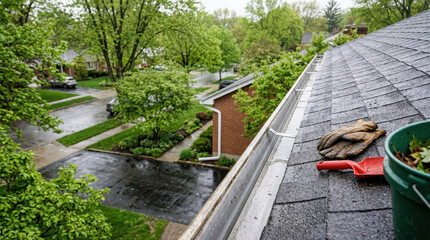
It is easy to forget about gutters until something goes wrong. Water starts overflowing during heavy rain, stains appear along the walls, or puddles form near the foundation. These small warning signs often point to a larger issue that has been building up over time. Gutters play a crucial role in directing water away from a property, and when they become clogged, the entire system can fail. Understanding Gutter Cleaning Service process helps ensure that this essential part of a home remains functional and reliable.
Gutter cleaning is not just about removing leaves and debris. It is a structured process that involves inspection, clearing, flushing, and checking for proper flow. When done correctly, it helps prevent water damage, extends the life of the gutter system, and maintains the overall condition of a property.
Why Gutter Cleaning Is Essential
Gutters are designed to collect rainwater and guide it safely away from the roof and foundation. Over time, they can become filled with leaves, dirt, and other debris that block the flow of water.
When gutters are clogged, water can overflow and cause damage to the roof, siding, and foundation. This can lead to costly repairs and long term structural issues. Standing water in gutters can also attract pests and contribute to mold growth.
Regular gutter cleaning helps prevent these problems by keeping the system clear and functional. It ensures that water flows properly and reduces the risk of damage during heavy rainfall.
Maintaining clean gutters is an important part of overall property care and helps protect both the structure and its surroundings.
Initial Inspection and Assessment
The gutter cleaning process typically begins with a thorough inspection. This step allows professionals to assess the condition of the gutters and identify any problem areas.
During the inspection, the technician looks for signs of clogging, damage, or improper drainage. This may include checking for sagging sections, loose connections, or areas where water is not flowing correctly.
The inspection also helps determine the level of cleaning required. Some gutters may only need light clearing, while others may have significant buildup that requires more extensive work.
By starting with an assessment, the cleaning process can be tailored to the specific needs of the property.
Removing Debris From Gutters
The next step in the process involves removing debris from the gutters. This is one of the most important parts of the service, as it clears the path for proper water flow.
Debris such as leaves, twigs, dirt, and organic matter is carefully removed by hand or with specialized tools. This ensures that the gutters are fully cleared without causing damage to the system.
In some cases, debris may be compacted or wet, making it more difficult to remove. Professional techniques are used to handle these situations effectively.
The removed debris is typically collected and disposed of properly, leaving the area clean and free from obstruction.
This step restores the basic function of the gutters and prepares them for the next stage of cleaning.
Flushing and Clearing Downspouts
After the debris has been removed, the gutters and downspouts are flushed with water. This step helps remove any remaining dirt and ensures that the system is completely clear.
Flushing involves running water through the gutters to check for smooth flow. If water does not move freely, it may indicate a blockage in the downspout.
Downspouts are an essential part of the gutter system, as they direct water away from the property. Clearing these components ensures that water is properly discharged and does not accumulate near the foundation.
Special tools may be used to remove stubborn blockages within the downspouts. This ensures that the entire system is functioning as intended.
Flushing also provides an opportunity to identify any leaks or weak points in the gutters.
Checking for Repairs and Structural Issues
Once the gutters are clean and flowing properly, the next step is to check for any structural issues. This includes examining the condition of the gutters, brackets, and connections.
Common issues may include loose fasteners, small leaks, or sections that are not properly aligned. Identifying these problems early helps prevent more serious damage in the future.
Minor repairs can often be addressed during the cleaning process. This may involve tightening connections or sealing small leaks to improve the performance of the system.
Ensuring that the gutters are structurally sound is just as important as keeping them clean. A well maintained system is more effective and lasts longer.
Cleaning the Surrounding Area
A professional gutter cleaning service also includes cleaning the surrounding area. This ensures that any debris removed from the gutters does not remain on the property.
Leaves and dirt that fall during the cleaning process are collected and disposed of properly. This helps maintain a clean and tidy appearance.
In some cases, nearby surfaces such as walkways or siding may be lightly cleaned to remove any residue. This adds an extra level of care to the service.
By addressing both the gutters and the surrounding area, the process provides a complete and thorough result.
Final Inspection and Flow Test
The final step in the gutter cleaning process is a thorough inspection and flow test. This ensures that all components are functioning correctly and that the cleaning has been successful.
Water is run through the system once more to confirm that it flows smoothly from the gutters through the downspouts. Any remaining issues can be identified and addressed at this stage.
The technician may also review the overall condition of the gutters and provide recommendations for future maintenance. This helps ensure that the system continues to perform effectively.
A final inspection provides peace of mind that the gutters are clean, functional, and ready to handle future weather conditions.
How Often Gutter Cleaning Should Be Done
The frequency of gutter cleaning depends on several factors, including the surrounding environment and the type of property. In general, regular maintenance helps prevent buildup and ensures consistent performance.
Properties located near trees may require more frequent cleaning due to falling leaves and debris. Areas with heavy rainfall may also benefit from regular inspections and cleaning.
For many homes, cleaning gutters at least twice a year is a common recommendation. This helps remove seasonal buildup and prepares the system for changing weather conditions.
Establishing a routine cleaning schedule helps maintain the effectiveness of the gutters and reduces the risk of unexpected issues.
Final Thoughts
The gutter cleaning service process is a comprehensive approach that goes beyond simply removing debris. It involves inspection, cleaning, flushing, and maintenance to ensure that the entire system functions properly.
By keeping gutters clean and well maintained, property owners can prevent water damage, extend the life of their gutter system, and maintain the overall condition of their home. Regular cleaning is a simple yet essential step in protecting one of the most important aspects of a property.
Understanding the process highlights the value of professional gutter cleaning services and the role they play in long term property care. With consistent attention and proper maintenance, gutters can continue to perform effectively and support a safe and well protected environment.