Few household plumbing issues are as frustrating as a slow-draining sink, a backed-up shower, or a completely clogged drain. While many homeowners attempt to resolve minor blockages themselves, some drainage problems eventually require professional Westminster Plumbing attention. When that happens, one of the first questions that comes to mind is: how much does drain cleaning cost?
The truth is that drain cleaning costs can vary depending on several factors, including the location of the clog, the severity of the blockage, the cleaning method required, and the overall condition of the plumbing system. Some clogs are simple and can be cleared quickly, while others may involve deep obstructions that require specialised equipment and additional labour. Understanding what influences drain cleaning costs can help homeowners budget appropriately, avoid unnecessary expenses, and make informed decisions when plumbing issues arise.
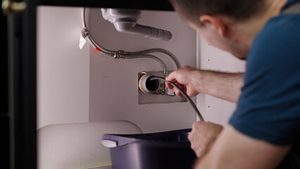
Drain cleaning is not just about restoring proper water flow. Professional cleaning services can help prevent future blockages, protect pipes from damage, improve drainage performance, and reduce the risk of costly plumbing emergencies. By understanding the most common causes of drain problems and the factors that impact pricing, homeowners can better prepare for potential repairs and maintenance needs.
Understanding Drain Cleaning Costs
Drain cleaning costs vary significantly because every blockage is different. A simple kitchen sink clog near the drain opening typically requires less time and effort to remove than a blockage located deep within the main sewer line. In many cases, plumbing professionals assess the condition of the drain before determining the best cleaning method and providing an estimate.
The complexity of the blockage is often the biggest factor affecting the final bill. Grease buildup, soap residue, hair, food particles, mineral deposits, and foreign objects can all contribute to clogged drains. While some obstructions can be easily removed with standard equipment, others may require advanced tools and additional time to clear completely.
Another important consideration is whether the blockage is isolated to a single fixture or affects multiple drains throughout the property. If several drains are backing up simultaneously, the issue may involve a larger section of the drainage system, resulting in more extensive inspection and cleaning requirements.
Common Causes of Drain Clogs
Most drain problems develop gradually over time rather than occurring suddenly. Small amounts of debris accumulate inside pipes until the flow of water becomes restricted or completely blocked.
Some of the most common causes of drain clogs include:
- Hair accumulation in bathroom drains.
- Grease and cooking oils in kitchen sinks.
- Soap scum buildup inside pipes.
- Food scraps and organic waste.
- Mineral deposits from hard water.
- Foreign objects accidentally flushed or washed down drains.
- Tree root intrusion into underground pipes.
Each of these issues may require a different approach to cleaning, which can influence the overall cost of service. Identifying the underlying cause is often the first step toward determining the most effective and affordable solution.
Types of Drain Cleaning Services
Not all drain cleaning services are the same. Different blockages require different techniques, equipment, and levels of expertise.
Basic Drain Snaking
Drain snaking is one of the most common methods used to remove minor to moderate clogs. A flexible cable is inserted into the drain and rotated to break apart or pull out the obstruction. This technique is often effective for hair clogs, food debris, and minor accumulations of grease or soap residue.
Because the equipment is relatively straightforward and the process can often be completed quickly, drain snaking is generally among the more affordable professional cleaning methods. Many homeowners initially seek professional assistance when traditional plungers and store-bought drain cleaners fail to resolve the issue.
Hydro Jetting
Hydro jetting is a more advanced cleaning method that uses highly pressurised water to clear stubborn blockages and thoroughly clean pipe walls. Unlike snaking, which may create a small opening through the clog, hydro jetting removes accumulated debris throughout the pipe.
This method is particularly effective against grease buildup, sludge, mineral deposits, and invasive tree roots. Although hydro jetting typically costs more than basic snaking, it can provide longer-lasting results and improve the overall condition of the drainage system.
Camera Inspections
In some situations, the cause of a blockage is not immediately obvious. Plumbing professionals may recommend a camera inspection to examine the interior condition of the pipes.
A specialised waterproof camera is inserted into the drain system, allowing technicians to locate blockages, identify damaged pipe sections, and determine the most appropriate cleaning strategy. Camera inspections often help avoid unnecessary work by pinpointing the exact source of the problem.
Main Sewer Line Cleaning
When multiple drains throughout a property begin backing up simultaneously, the issue may involve the main sewer line. These blockages tend to be more serious and usually require specialised equipment and additional labour.
Main sewer line cleaning often takes longer than clearing a single household drain because of the size and complexity of the system. In many cases, professional inspection is necessary before work begins to ensure the proper cleaning method is selected.
Factors That Affect Drain Cleaning Costs
Several variables influence how much homeowners can expect to pay for professional drain cleaning services.
Severity of the Blockage
A minor clog near the drain opening is generally faster and easier to remove than an obstruction located deep within the plumbing system. More severe blockages often require specialised equipment, longer service times, and additional diagnostic procedures.
The more difficult it is to access and eliminate the obstruction, the higher the overall cost is likely to be.
Location of the Clog
The location of a blockage plays a significant role in pricing. Clogs located in kitchen sinks, bathroom sinks, showers, and toilets are usually easier to reach. However, blockages deep within underground pipes or main sewer lines often require more extensive work.
Accessibility can directly impact both labour time and equipment requirements, making some drain cleaning jobs substantially more expensive than others.
Cleaning Method Used
Different cleaning methods involve different levels of labour and equipment. For example, simple drain snaking may require only basic tools, while hydro jetting and video inspections involve advanced equipment and specialised expertise.
As a result, the final cost often depends heavily on which cleaning approach is required to completely resolve the issue.
Condition of the Plumbing System
Older plumbing systems sometimes present additional challenges during drain cleaning procedures. Corroded pipes, damaged connections, structural defects, and years of accumulated buildup can complicate the cleaning process.
If underlying plumbing problems are discovered during the service, homeowners may need additional repairs beyond the initial cleaning appointment.
Emergency Service Requirements
Drain problems do not always occur at convenient times. A severe backup late at night or during a holiday can require emergency assistance.
Emergency services typically involve higher labour rates due to the urgent nature of the work. Homeowners can often save money by addressing drainage issues early before they develop into emergencies requiring immediate attention.
Signs You Need Professional Drain Cleaning
Many homeowners ignore early warning signs and wait until drains stop functioning altogether. Unfortunately, delaying service often allows the problem to worsen over time.
Several common indicators suggest professional drain cleaning may be necessary:
- Slow-draining sinks or bathtubs.
- Frequent recurring clogs.
- Gurgling sounds coming from drains.
- Unpleasant odours near sinks or floor drains.
- Water backing up into fixtures.
- Multiple clogged drains at the same time.
- Standing water around drains.
Recognising these warning signs early can help prevent more extensive plumbing problems and reduce overall repair costs.
Can Homeowners Clean Drains Themselves?
Many homeowners attempt DIY methods before contacting a professional. Plungers, drain snakes, and certain household cleaning techniques can be effective for minor clogs. However, these solutions do not always address the root cause of the blockage.
Chemical drain cleaners are another commonly used option, but they should be approached with caution. Some products can damage pipes over time, particularly in older plumbing systems. Repeated use may weaken pipe materials while failing to completely remove the obstruction.
Professional drain cleaning services offer advantages that DIY solutions cannot always provide. Experienced technicians have access to specialised equipment capable of identifying and resolving issues that may be hidden deep within the plumbing system.
The Benefits of Routine Drain Maintenance
Many homeowners only think about drain cleaning when a major problem occurs. However, preventive maintenance can significantly reduce the likelihood of serious blockages and expensive repairs.
Regular drain maintenance helps remove grease, debris, and mineral buildup before they create major obstructions. It also allows plumbing professionals to identify developing issues before they escalate into emergencies.
Some key benefits of routine maintenance include:
- Improved drainage performance.
- Reduced risk of emergency plumbing problems.
- Longer lifespan for plumbing systems.
- Lower long-term maintenance costs.
- Better protection against severe blockages.
- Improved household hygiene and cleanliness.
While preventive maintenance involves a small upfront cost, it often saves homeowners money by reducing the need for major repairs later.
What to Expect During a Professional Drain Cleaning Appointment
When a professional arrives to perform drain cleaning, the process typically begins with an assessment of the problem. The technician will ask questions about the symptoms, inspect the affected drains, and determine whether additional diagnostics are needed.
After evaluating the situation, the technician will recommend the most appropriate cleaning method and explain the expected costs. Once approved, the cleaning process begins using specialised tools designed to safely remove the blockage.
Following the service, homeowners may receive recommendations for preventing future clogs. These suggestions often include maintenance practices, proper disposal habits, and routine inspections to keep drains functioning efficiently.
How to Reduce Future Drain Cleaning Costs
Preventing clogs is often the most effective way to avoid costly drain cleaning services. Small changes in daily habits can make a significant difference in maintaining healthy drainage systems.
Avoid pouring grease down kitchen sinks, use drain screens to catch hair and debris, dispose of food scraps properly, and periodically flush drains with hot water when appropriate. Being mindful of what enters the plumbing system can dramatically reduce the likelihood of major blockages.
Scheduling regular inspections and maintenance services can also help identify potential concerns before they become expensive problems. A proactive approach typically results in lower long-term costs and fewer unexpected plumbing emergencies.
Drain cleaning costs can vary widely depending on the severity of the blockage, the location of the clog, the cleaning method required, and the condition of the plumbing system. While minor clogs may be relatively inexpensive to clear, more complex issues involving main sewer lines, extensive buildup, or damaged pipes can require greater investment.
Understanding what influences drain cleaning costs and recognising the early warning signs of drainage problems can help homeowners make smarter decisions when issues arise. Whether dealing with a slow-draining sink or a serious plumbing backup, timely action is often the key to minimising costs and preventing further damage. By investing in proper maintenance, adopting good drain care habits, and seeking professional assistance when necessary, homeowners can keep their plumbing systems running smoothly and avoid many of the common problems that lead to expensive repairs.
